

St Nicholas Church in the Lesser Town. The Greatest Baroque Church in Prague (Advanced Guides to Czech Monuments)
Product details
| Management number | 237159212 | Release Date | 2026/07/10 | List Price | US$90.00 | Model Number | 237159212 | ||
|---|---|---|---|---|---|---|---|---|---|
| Category | |||||||||
Old Prague, Czech Republic, has to a large degree preserved the appearance which it acquired in the 18th century. The green dome of St Nicholas in the Lesser Town, which was constructed between 1702 and 1752, dominates its panorama. St Nicholas was the main church of the Czech Jesuits and perfectly fitted the Catholic Church’s ideal of a cult building. In the Baroque era, unity, movement and infinity asserted themselves as the main attributes of divine essence. In St Nicholas, the single, static and infinite God was presented as the source of all movement and finality in the human world. This explains the dynamism of the architectonic forms of this Church, which stresses the infinity of God. St Nicholas Church was a grandiose attempt at the preservation of the traditional Christian faith, which had lost none of its attraction in Central Europe. In St Nicholas, architects and artists with different world views and temperaments passed the baton from one generation to another. Their points of departure were different; nevertheless, their creation is surprisingly homogenous. Kilian Ignatius radically changed the conception of his father, Christoph, only to make it even more expressive. Sculptor Platzer and painter Kracker worked within the finished building in distinctive styles of their own, but they both kept the original tone of the Dientzenhofers. An understanding of the work of their predecessors and a respect for their artistic conceptions did not clash with their own creativity. This continuity would not have been possible without the knowledgeable patronage of the Jesuits. The architects, sculptors and painters of St Nicholas, as well as their Jesuit patrons, ignored the visions of Parisian intellectuals which were preparing far-reaching changes. These visions delineated the shape of the modern world. Its sober rationality is in sharp contrast with the spontaneity and spirituality of St Nicholas. Prague Jesuits were well aware that they were living at a turning point. They believed, however, that traditional faith could be combined with scientific knowledge and a lifestyle based on technological progress. They expressed their attitude by a daring variation on traditional themes, which we today know as Radical or Dynamic Baroque. Visitors to St Nicholas are meant to enter into a familiar past, which artists working for the Jesuits transformed into the promise of a brand new future. Their efforts were, of course, doomed to failure from the outset, because their goal was impossible. The actuality of St Nicholas and an interest in its creators springs from the changes in the way we think today. On the threshold of the 21st century, our world view has changed beyond recognition. We still perceive ourselves as heirs of the Enlightenment and Liberalism, but we are increasingly sceptical about the future of this heritage. We abhor religious fanaticism and totalitarian tendencies in politics. We are no less intensely aware of the emptiness which has remained after the cooling of religious fervour. We havebecome painfully aware of the loneliness to which we have condemned ourselves, through our focus on the material world and uncompromising individualism. These are the reasons why we are fascinated by St Nicholas Church, why it is today one of the most frequented of all Prague monuments. Read more
| ASIN | B005OD6SJK |
|---|---|
| XRay | Not Enabled |
| Language | English |
| File size | 807 KB |
| Page Flip | Enabled |
| Publisher | FESTINA LENTE PRESS CZ |
| Word Wise | Enabled |
| Print length | 95 pages |
| Accessibility | Learn more |
| Screen Reader | Supported |
| Publication date | September 19, 2011 |
| Enhanced typesetting | Enabled |
Bestseller ranking
Prague


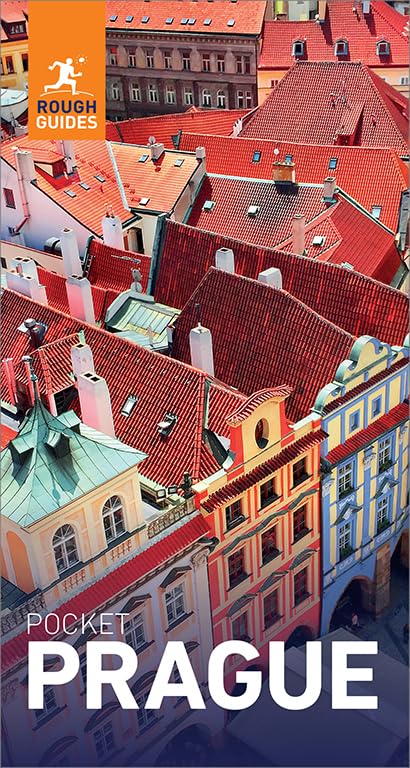
Customers who viewed this product also viewed
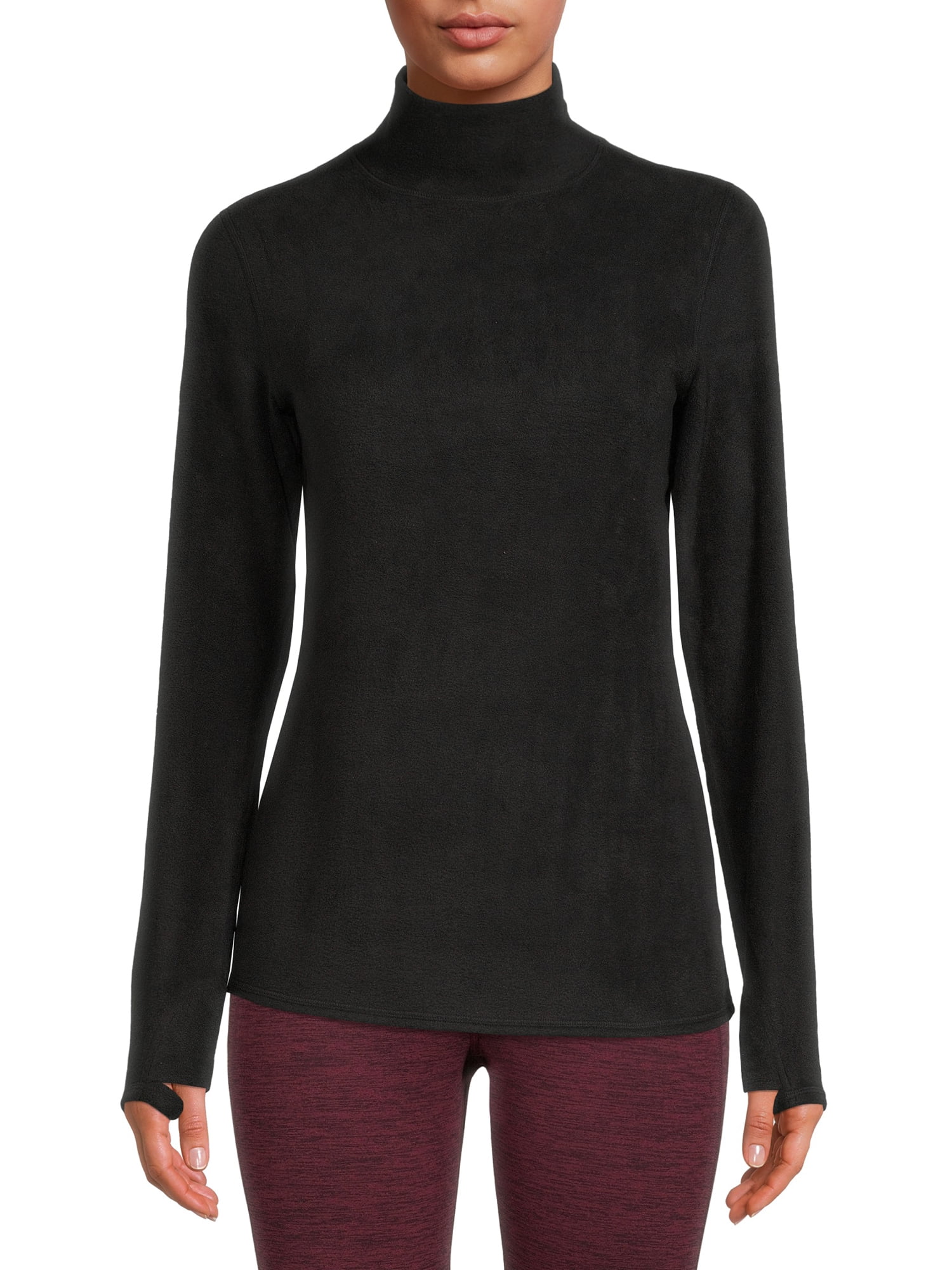
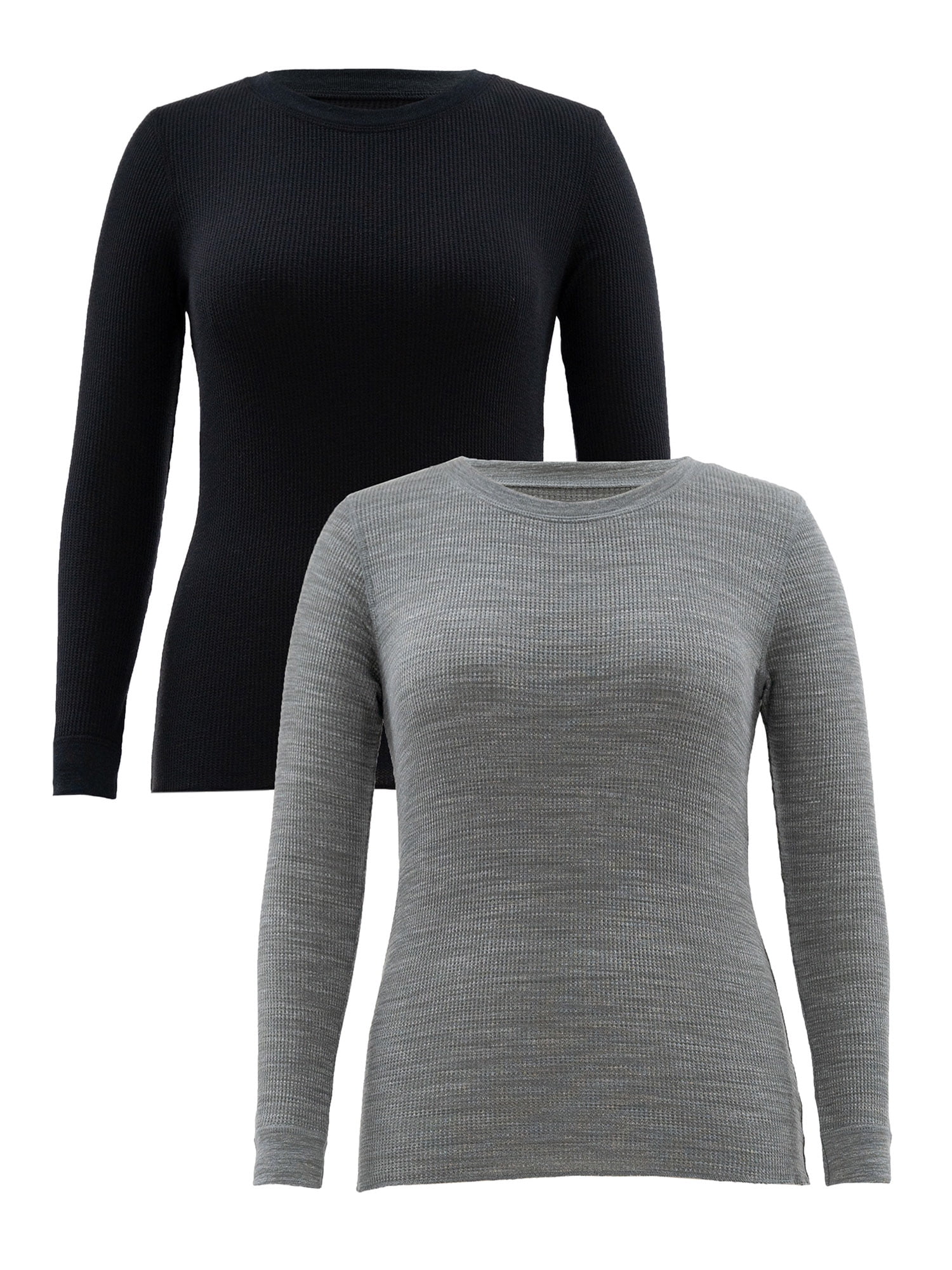
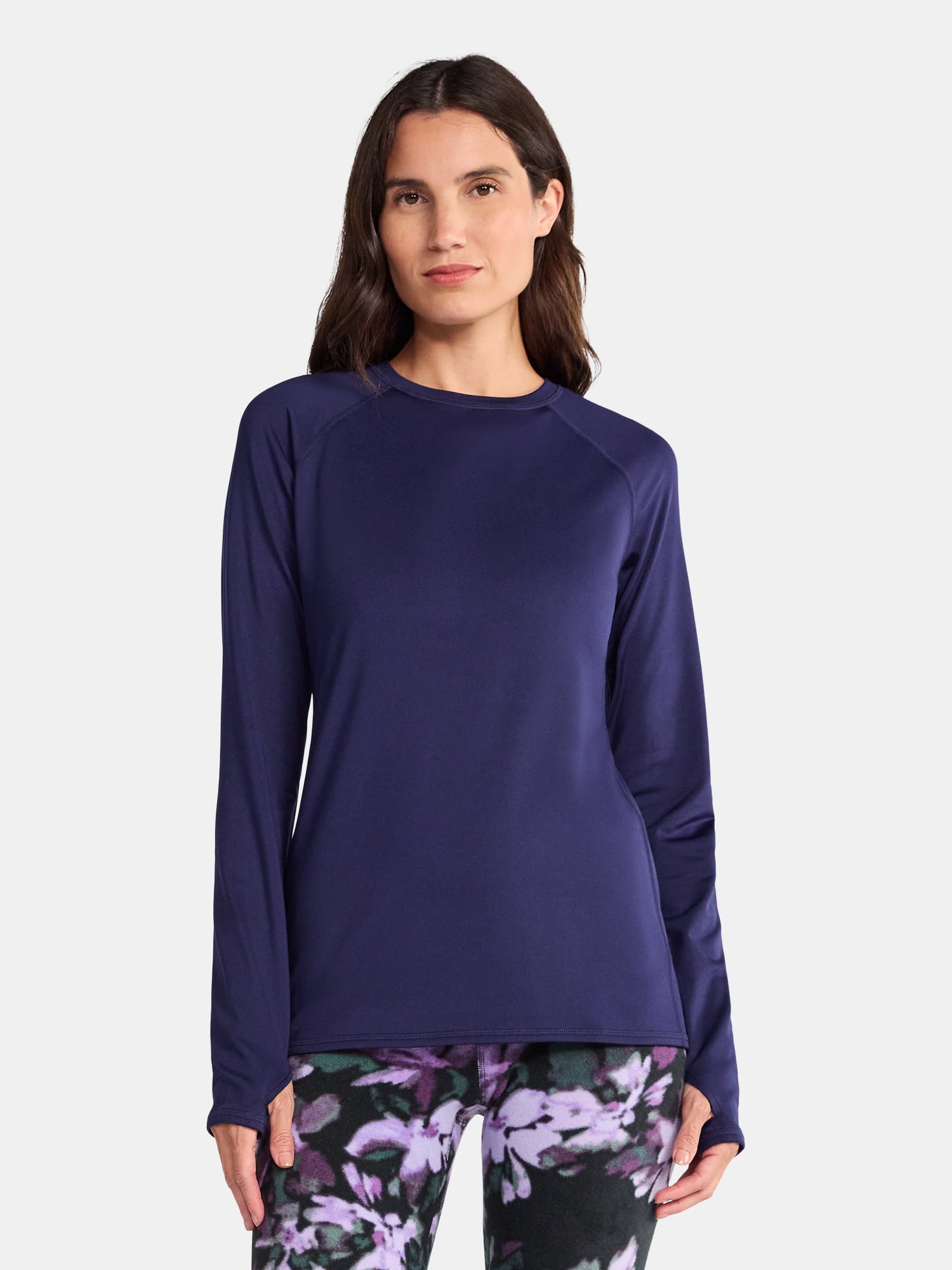
Womens Thermal Tops
Correction of product information
If you notice any omissions or errors in the product information on this page, please use the correction request form below.
Correction Request Form